February 7, 2026
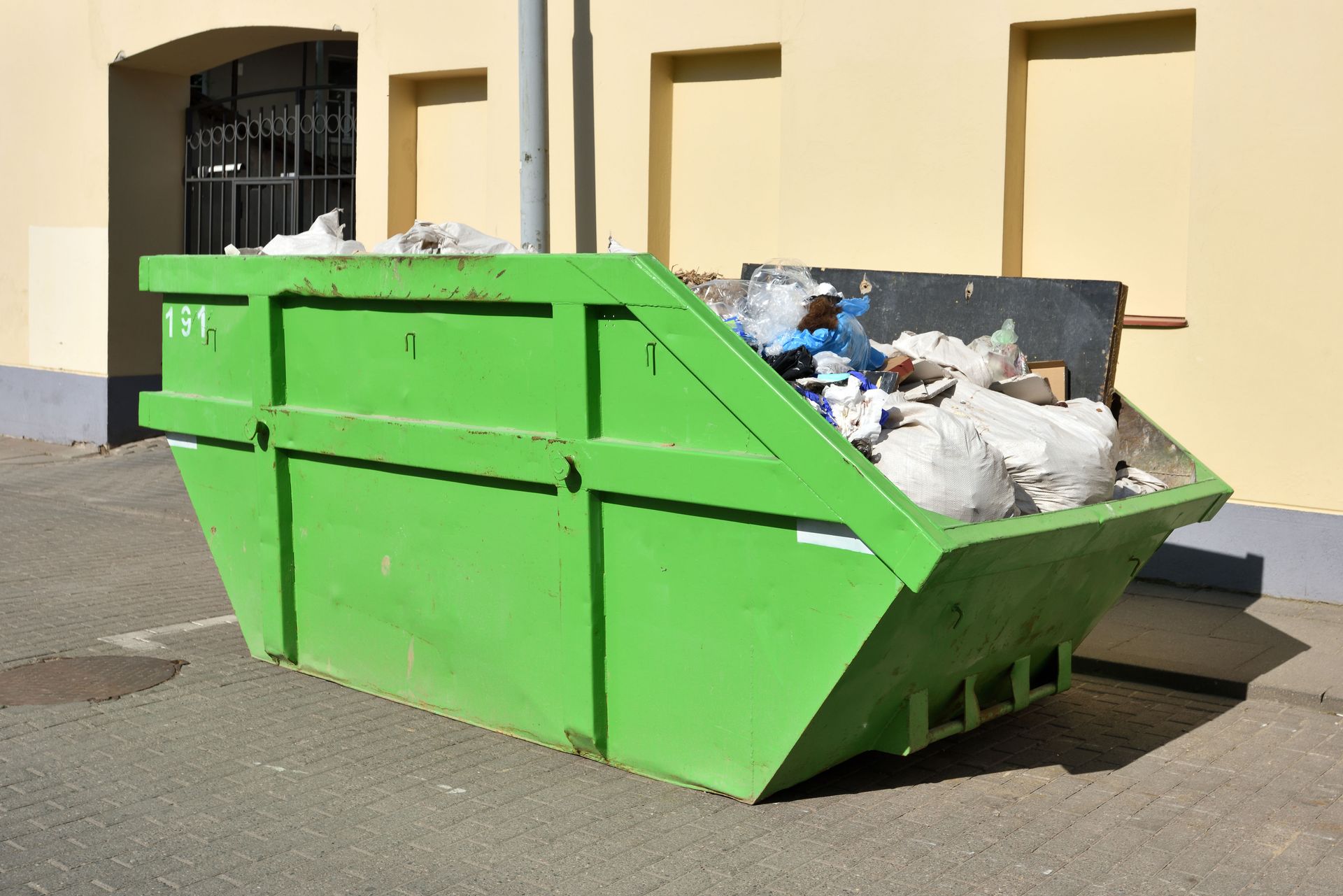
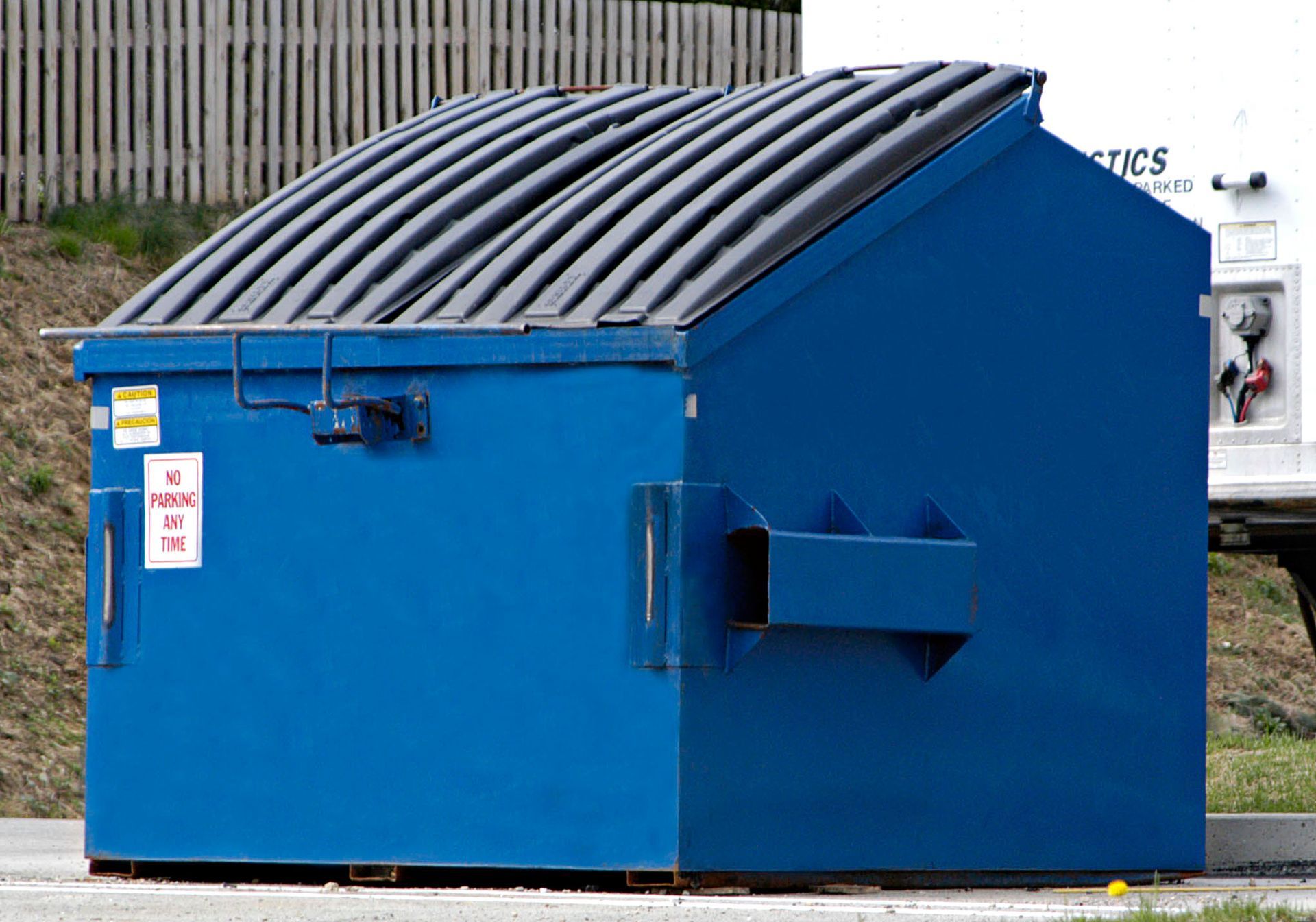
Choosing the right dumpster rental starts with understanding available dumpster sizes. Dumpsters are measured in cubic yards, typically ranging from 10 to 40 yards. The common sizes, 10, 20, 30, and 40 yards, serve various projects, from small residential cleanups to large-scale construction. A 10-yard dumpster rental suits minor renovations, while a 40-yard option accommodates major construction debris. Knowing the standard dimensions and volume capacity ensures that your dumpster rental aligns with your project requirements, helping you avoid multiple trips or unexpected overages.
Considering Volume Capacity for Efficient Dumpster Rentals
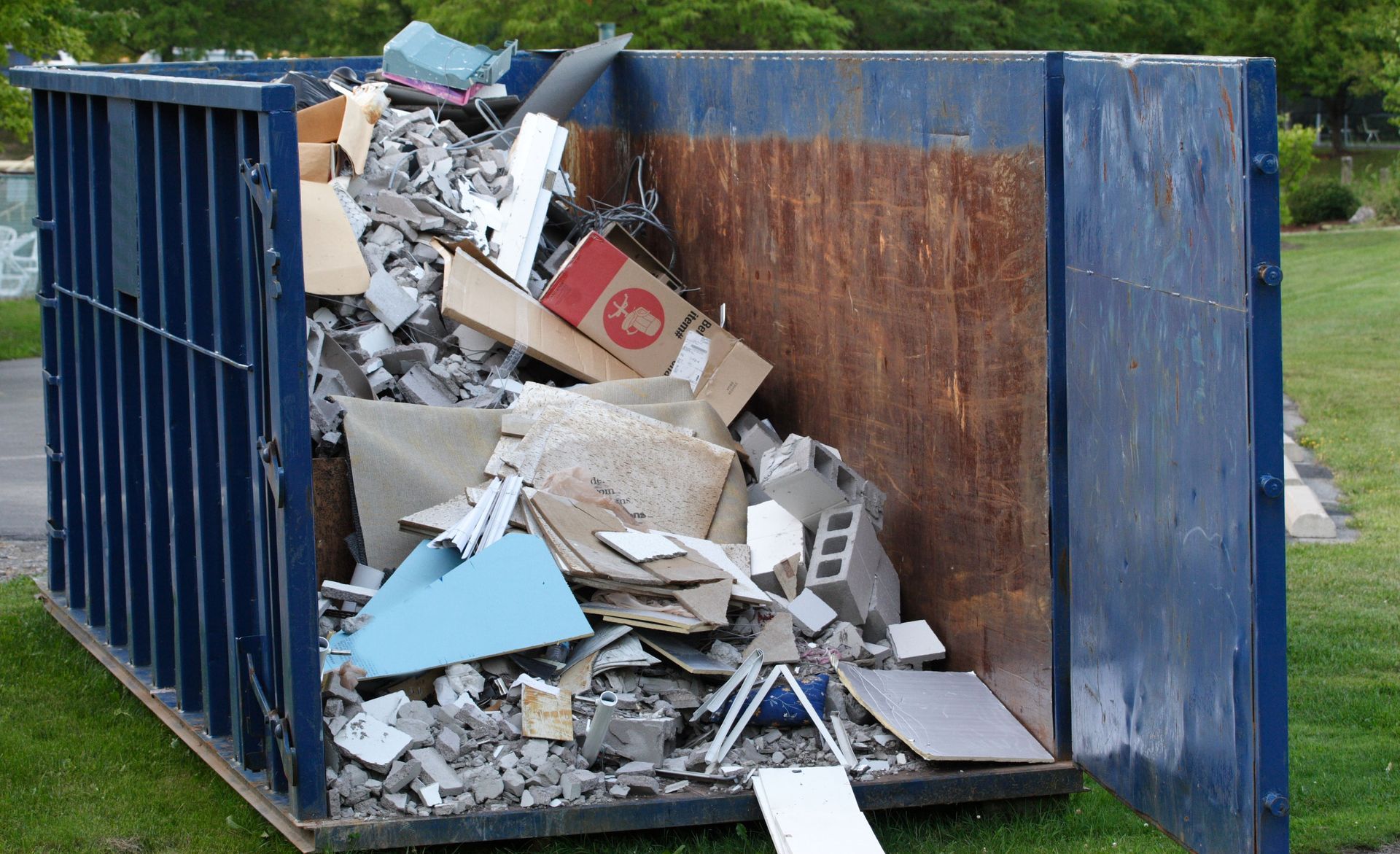
Volume capacity is essential when determining which dumpster rental fits your needs. Projects can produce more waste than initially estimated, so it is prudent to anticipate higher volumes. For medium renovations, a 20-yard dumpster rental is often ideal, handling significant household debris efficiently. Larger projects typically require a 30-yard dumpster, which can manage heavy debris, including concrete, metal, and roofing materials, according to Harlem World Magazine. This ensures that your dumpster rental provides adequate space for both common and challenging waste types.
Evaluating Weight Limits for Your Dumpster Rental
Every dumpster rental comes with weight limits that must be considered to avoid extra charges. Heavy materials such as concrete, bricks, and metal can quickly exceed weight allowances even if there is leftover volume. Confirming weight restrictions with your provider is critical to avoid surcharges and maintain safety compliance. By planning for weight alongside volume, your dumpster rental remains cost-effective and safe, ensuring no surprises during removal.
Exploring Specialized Dumpster Options
Standard dumpster sizes are versatile, but specialized dumpster rentals are designed for unique waste streams. Construction projects, for instance, may require reinforced dumpsters capable of handling heavy debris. Similarly, environmentally sensitive projects benefit from eco-friendly dumpsters that comply with local recycling and disposal regulations. Identifying specialized options for your dumpster rental ensures legal compliance, efficient waste removal, and protection of the surrounding environment.
Checking Local Availability Before Choosing a Dumpster Rental
Availability of dumpster rental sizes varies regionally, and it is important to verify local options before committing. Service providers may offer specific sizes tailored to common area projects, as well as compact or eco-conscious alternatives for tight spaces. Confirming local inventory not only saves time but also avoids additional delivery fees or delays. Consulting local providers ensures that your dumpster rental aligns with both your project scale and regional service offerings.
Assessing Project Scope for a Suitable Dumpster Rental
Understanding the scope and duration of your project is critical in selecting an appropriate dumpster rental. Short-term projects may only require a single pick-up, while longer or multi-phase endeavors might benefit from multiple or larger dumpsters. Estimating project size and timeline allows you to select a dumpster rental that meets current needs and accommodates unexpected waste generation, keeping operations efficient and organized.
Identifying Debris Type for a Proper Dumpster Rental
The type of debris produced by a project directly impacts the choice of dumpster rental. Heavy materials like roofing shingles, concrete, and metal necessitate a larger, more durable container. Conversely, light residential debris may only require a small or medium dumpster rental. Focusing on the predominant waste materials ensures the selected dumpster rental is optimized for both volume and weight, preventing extra costs and delays.
Planning Waste Removal Frequency for Efficient Dumpster Rentals
The required frequency of waste removal influences the size and number of dumpsters needed. Projects with ongoing debris accumulation may benefit from smaller dumpster rentals with scheduled pickups rather than a single large container. Coordinating with your provider for pickup intervals enhances efficiency and ensures the site remains clear, contributing to smooth workflow and project timelines.
Managing Site Constraints for Optimal Dumpster Rental Placement
Space limitations at a project site play a significant role in choosing the right dumpster rental. Large containers can block access or create hazards if improperly placed. Assess available placement areas and clearance requirements to prevent operational interruptions. In urban settings, compact or roll-off dumpster rentals may be necessary to maximize space while maintaining safety standards. Proper planning supports smooth operations and mitigates logistical challenges.
Budgeting Effectively for Dumpster Rentals
Budgeting for a dumpster rental involves understanding pricing models, weight limits, and service durations. Costs vary by size, rental length, and weight, and some companies offer flat rates or variable pricing. Comparing pricing across providers ensures that your dumpster rental is both affordable and suited to your project. Including potential fees for weight overages or extended rentals in your calculations helps prevent surprises, keeping waste management financially predictable.
Maximizing Efficiency with Your Dumpster Rental
Maximizing the utility of your dumpster rental requires efficient loading and organization. Arrange debris to reduce air gaps and categorize waste by type for easier removal and recycling. Timely monitoring prevents overflows, and strategic placement ensures accessibility for both workers and collection vehicles. Implementing these practices ensures your dumpster rental is used effectively, saving both time and money while maintaining compliance with regulations.
Ensuring Compliance with Regulations During Dumpster Rentals
Proper compliance is key to a successful dumpster rental. Local ordinances may dictate placement, size, or permit requirements, while environmental laws regulate disposal methods. Engaging with community guidelines, HOA rules, and municipal weight restrictions ensures your dumpster rental is legally sound. Additionally, prioritizing safety and accessibility during placement mitigates hazards and supports smooth project operations, demonstrating professionalism and attention to detail.
Monitoring and Adapting Your Dumpster Rental Strategy
Continuous evaluation of your dumpster rental usage allows for timely adjustments. Gathering feedback from contractors and team members identifies opportunities to improve efficiency. Monitoring patterns helps refine the number, size, and pickup frequency of dumpsters for future projects. Open communication with your provider ensures expectations are met, and any necessary modifications are promptly addressed. This approach ensures a responsive and cost-effective dumpster rental strategy.
Applying Lessons Learned to Future Dumpster Rentals
Insights from current dumpster rental usage guide improvements in subsequent projects. Reviewing patterns, usage efficiency, and operational logistics informs smarter choices for future endeavors. Documenting best practices, adjustments, and provider feedback enables optimized planning and consistent cost control. A proactive approach to learning enhances long-term project success and supports reliable waste management in future initiatives.
Before concluding your project planning, it is important to review all aspects of your dumpster rental strategy to ensure maximum efficiency and cost-effectiveness. Consider double-checking the projected volume and weight of debris to confirm that your chosen dumpster size will accommodate unexpected materials. Reassess site placement, accessibility, and potential obstacles to prevent operational delays or safety hazards.
Evaluate pickup schedules and communication plans with your provider to maintain seamless waste removal throughout the project timeline. Additionally, explore recycling or donation options for materials that can be repurposed, further enhancing sustainability and reducing overall disposal costs. By taking these extra steps, you optimize the value of your dumpster rental, minimize disruptions, and create a structured, proactive approach to waste management. This careful planning ultimately supports smoother project execution and long-term operational success.
Partnering with a professional provider ensures a smooth dumpster rental experience. Experienced companies handle deliveries, pickups, and disposal efficiently while providing expert guidance on size selection, weight compliance, and site placement. A professional dumpster rental company also ensures regulatory compliance and environmentally responsible disposal. By leveraging the expertise of a trusted provider, such as Liberta Bros Inc, you can achieve seamless waste management, ensuring your project stays on schedule and within budget.