November 9, 2026
Maintaining an organized worksite is fundamental to project performance, crew safety, and day-to-day operational momentum. Regardless of whether a job involves a residential kitchen overhaul, a full-scale commercial tenant fit-out, or an expansive industrial teardown, waste accumulates at an astonishing rate. Without an integrated disposal strategy established before the first hammer swings, scrap material, torn-out drywall, and discarded packaging quickly overwhelm work zones. Implementing an intentional dumpster service delivers the rigid containment infrastructure required to manage excessive debris volumes systematically, keeping active trades moving without spatial interruption.
Assessing Waste Management Requirements
Establishing an effective waste containment strategy requires a granular evaluation of the specific debris streams generated throughout each distinct phase of construction. Light residential renovations primarily produce bulky, low-density waste such as dimensional lumber offcuts, insulation batts, cabinetry, and fixtures. Conversely, structural teardowns, commercial slab removals, and masonry renovations yield immense weights of aggregate, masonry, and reinforced steel. Aligning container capacity and weight ratings with actual project demands ensures seamless waste flow while preventing structural overloading and mid-project logistical halts.
Understanding volume constraints versus weight limitations is essential when planning heavy demolition and exterior structural removals. According to Harlem World Magazine, 30-yard dumpsters can handle heavy debris such as concrete, metal, and roofing materials. Choosing container dimensions suited to the specific material density prevents hazardous overweight situations on municipal roadways, complies with Department of Transportation hauling restrictions, and avoids costly overloaded-bin surcharges. Knowing container capacities also allows supervisors to arrange appropriate driveway protection, such as heavy wood planking, to preserve underlying asphalt or pavers from extreme ground pressure.
Pre-project waste profiling must also account for regulatory segregation mandates governing hazardous items, treated wood, adhesives, and universal waste. Regional disposal facilities impose strict bans on co-mingling toxic chemicals, refrigerants, and electronic components with common construction and demolition debris. Conducting an upfront debris audit allows project managers to establish separate staging protocols for specialized materials while directing inert bulk waste into primary containers. This organized classification maintains total legal compliance, avoids facility rejection penalties, and keeps the jobsite operating within established timelines.
Optimizing Jobsite Efficiency and Workflow
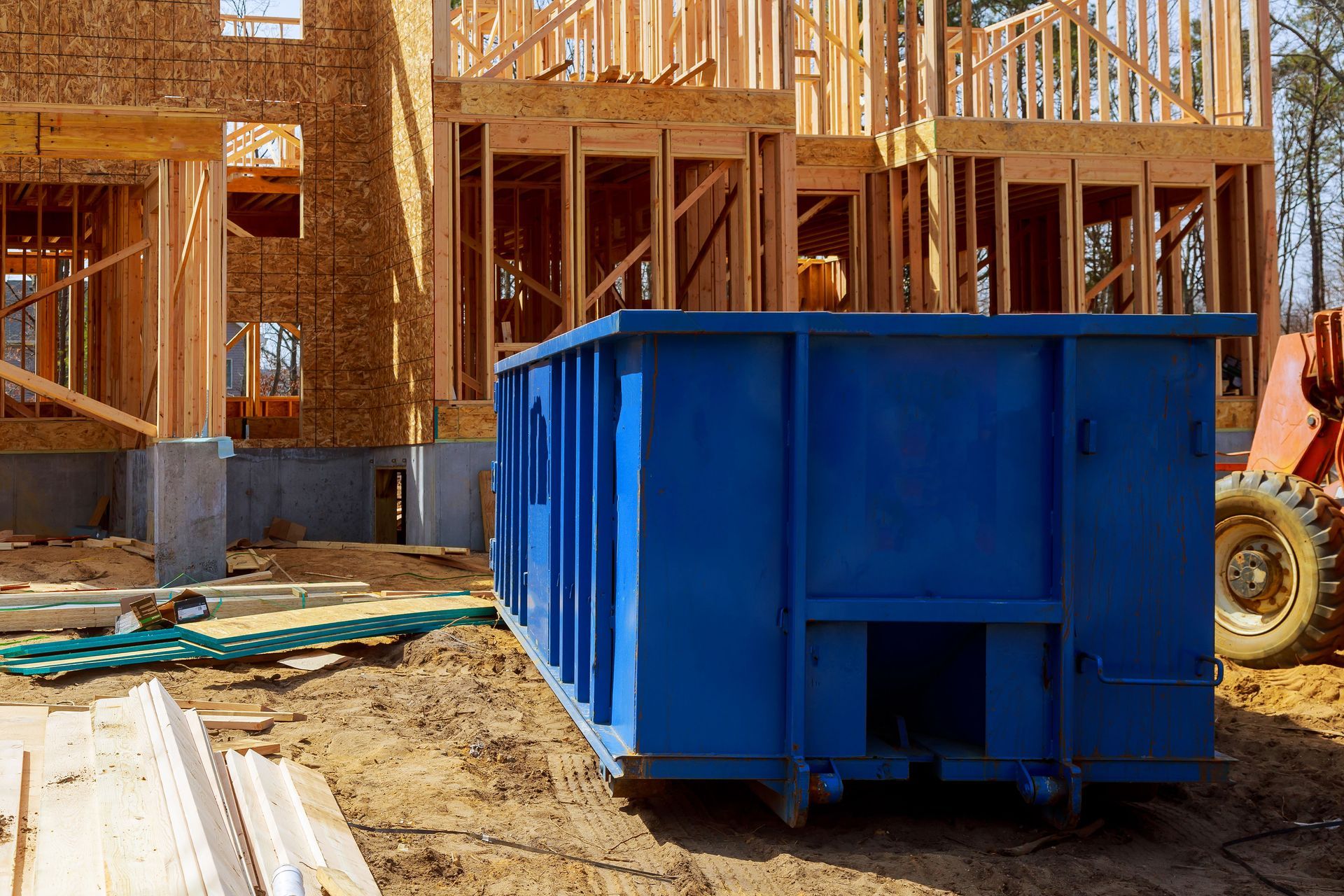
Uncontained debris piles create unnecessary physical barriers that disrupt subcontractor mobility, lengthen travel paths, and consume valuable labor hours. When workers must step over scattered scrap, detour around piles of tear-out debris, or search for clear staging space, trade velocity drops precipitously. Placing a designated dumpster service container in a strategic, easily accessible location creates an intuitive, centralized disposal path that minimizes wasted steps and allows craftspeople to focus their energy entirely on skilled installation tasks.
Predictable logistics are crucial for preventing workflow choke points during heavy demolition and dry-in milestones. Relying on piecemeal hauling or disorganized pickup truck runs leads to full containers sitting stagnant while incoming framing materials, insulation deliveries, and HVAC equipment struggle for staging clearance. Establishing structured drop-off, swap-out, and pickup schedules guarantees that full containers are promptly removed before they overflow, maintaining continuous site momentum and preventing spatial gridlock between concurrent trades.
Modern jobsite coordinators leverage direct coordination with dispatch teams to dynamically match container swaps to real-time project pacing. As demolition crews hit peak production phases, scheduling immediate empty-and-return hauls prevents trades from stacking debris alongside containers, which requires double handling later. Eliminating redundant material handling lowers direct labor expenditures, keeps access corridors completely open, and ensures smooth transitions between rough trades and interior finishing crews.
Protecting Worker Health and Jobsite Safety
Cluttered worksites are among the most prevalent contributors to preventable occupational injuries, including severe slip-and-fall incidents, puncture wounds, and eye trauma. Loose framing lumber bristling with framing nails, jagged sheet metal scraps, fractured glass, and exposed wiring create continuous hazard fields when left on walkways. Utilizing an accessible dumpster service provides crews with an immediate disposal receptacle at every point of the day, dramatically reducing physical hazards across active staging zones and work areas.
Clear ground surfaces are equally critical for the safe operation of material handlers, skid steers, scissor lifts, and rough-terrain forklifts. Operating heavy machinery over scattered structural rubble drastically increases the risk of tire punctures, mechanical tipping, and compromised braking traction. Systematically containing scrap and loose aggregate preserves wide, uncompromised transit lanes, allowing equipment operators to maneuver with maximum visibility, precise steering control, and total operational confidence.
A tidy, well-organized worksite creates a psychological ripple effect that reinforces safety protocols and mutual respect across the entire crew. When management provides clean, structurally sound containment units and enforces routine end-of-shift sweeps, workers naturally take pride in maintaining order within their immediate work envelopes. Demonstrating an active commitment to environmental cleanliness signals that worker well-being is non-negotiable, reducing workers' compensation claims, mitigating liability exposure, and promoting a secure work culture.
Managing Project Costs and Budget Allocations
Rigorous overhead control separates profitable construction and remodeling ventures from projects burdened by cost overruns. Attempting to manage major demolition waste through improvised runs with light-duty pickups and open trailers wastes billable field hours, racks up exorbitant fuel costs, and inflicts severe wear on fleet vehicles. Procuring an all-inclusive dumpster service consolidates delivery, container rental, transportation logistics, and commercial tipping fees into clear, predictable budget line items that streamline financial accounting.
Strategic upfront planning protects against unexpected project charges, such as emergency container rush fees, street permit extensions, and dry-run penalties caused by inaccessible placement zones. By matching container dimensions to the exact density profile of the debris, estimators ensure the project pays only for necessary container volume without exceeding municipal weight ceilings. Clear waste budget allocation provides transparency to clients, supports precise competitive bidding, and insulates contractor margins from unexpected financial surprises.
Proactive waste diversion also unlocks tangible financial incentives through material salvaging and scrap recovery. Many regional recycling centers offer significantly reduced tipping fees for clean, segregated loads of structural steel, unpainted lumber, clean concrete rubble, or asphalt shingles. Establishing dedicated sorting protocols allows contractors to offset disposal costs while capturing salvage credits, turning what would otherwise be an operational liability into a measurable economic advantage for the overall project budget.
Supporting Environmental Compliance and Sustainability
Responsible waste handling is an indispensable element of modern environmental compliance and sustainable site stewardship. Unsecured construction debris exposed to rain, wind, and storm events can leach chemical adhesives, paints, and particulate runoff into local storm sewers, nearby waterways, and surrounding habitats. Heavy-duty containers provide secure, weather-resistant containment that stops windblown plastic and airborne dust from contaminating neighboring communities and sensitive municipal watersheds.
Partnering with certified disposal networks enables builders to divert high percentages of construction and demolition debris away from overfilled regional landfills. High-volume sorting facilities possess the infrastructure to grind clean timber into landscape mulch, crush salvaged concrete into engineered road base, and melt structural steel into new structural shapes. Meeting stringent local waste diversion ordinances and earning green building accreditations like LEED hinges upon documented recycling manifests provided by regulated waste hauling operations.
Proactive environmental management strengthens community relations and protects contractor reputations during disruptive construction cycles. Neighborhood associations, commercial neighbors, and local code enforcement officers view a tightly contained, debris-free jobsite as evidence of a responsible, professional contractor. Committing to sustainable disposal protocols mitigates neighbor complaints, avoids municipal stop-work orders, and leaves a positive lasting impression on the surrounding community long after project completion.
Structured waste containment is an essential operational pillar that protects worker safety, streamlines project timelines, and controls operational overhead across every scale of construction. Implementing dependable container solutions keeps active zones clear, trades productive, and operations fully aligned with safety and environmental mandates. For more information about the services that we offer, reach out to our incredible team at Liberta Bros Inc today!